




Residential Energy Storage Systems | KAM UNION
KAM UNION’s residential storage solutions store and supply electricity for home, solar, backup, and off-grid applications. Different configurations meet varying energy and installation requirements. They can integrate with solar panels, inverters, charge controllers, and other off-grid equipment to create complete residential energy systems.
- Auto Filters
- Wiper Arms
- Car Radiator
- Vehicle Heaters
- Car Jump Starters
- Car Tires & Wheels
- Brake System Parts
- Hydraulic Car Jacks
- Auto Electrical Parts
- Automotive AC Parts
- Portable Tire Inflators
- Automotive Switch Panels
- Battery Disconnect Switches
- Suspension & Shock Absorbers
- Automotive Power Distribution
- Automotive Power Sockets & USB Chargers
Attribute
Tool Type
Application Scenario
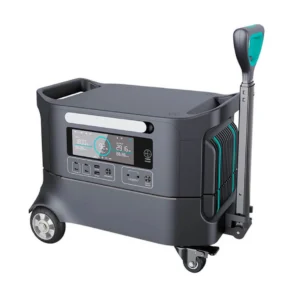
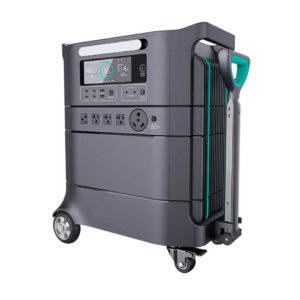
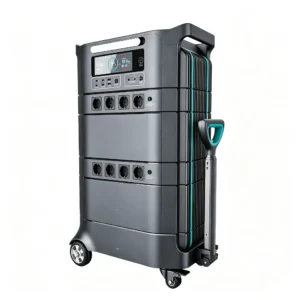
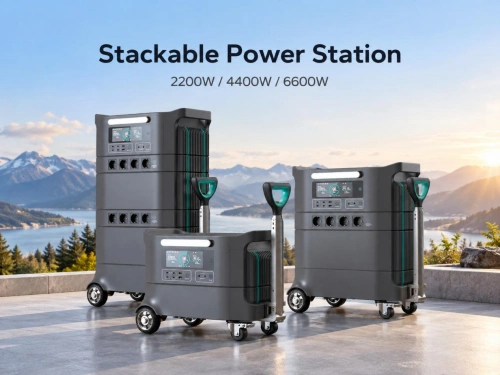
Product Comparison
| Key Specifications | KU-OG-03-003 | KU-OG-03-002 | KU-OG-03-001 |
|---|---|---|---|
| Rated AC Output Power – 230V Version | 2200 W | 4400 W | 6600 W |
| Rated AC Output Power – 120V Version | 2000 W | 4000 W | 6000 W |
| Battery Capacity | 2074 Wh | 4234 Wh | 6384 Wh |
| Battery Voltage | 48 V | 48 V | 48 V |
| AC Waveform | Pure sine wave | Pure sine wave | Pure sine wave |
| Number of AC Outlets | 4 | 8 | 12 |
| Max AC Charging Power – 230V Version | 2200 W | 4400 W | 6600 W |
| Max AC Charging Power – 120V Version | 1800 W | 3600 W | 5400 W |
| XT60 Charging Input (Solar/Vehicle) | 11–100 V DC 12 A max. 1000 W max. | 11–100 V DC 12 A max. 1000 W max. | 11–100 V DC 12 A max. 1000 W max. |
| Battery Chemistry | LiFePO4 | LiFePO4 | LiFePO4 |
| Battery Cycle Life | 3500 cycles to 80% 6500 cycles to 50% | 3500 cycles to 80% 6500 cycles to 50% | 3500 cycles to 80% 6500 cycles to 50% |
| Net Weight | 28.4 kg | 55.4 kg | 82.4 kg |
| Product Dimensions (H×L×W) | 480 × 322 × 357 mm | 480 × 322 × 584 mm | 530 × 330 × 820 mm |
• The 230 V and 120 V specificationsrefer to separate regional product versions.
• The XT60 input supports a compatible solar array or a suitably configured vehiclecharging source.
Battery cycle-life figures are based on the supplier’s stated test conditions.
Flexible Energy Storage
Selection of Residential Energy Storage Systems depends on energy consumption in the house, the need for storage, the capacity of the PV system, and the space available for installation of such systems. Different configurations support various storage and power requirements.
Solar storage can also be planned around household energy use, providing stored power when solar generation is low.
Solar Energy Storage
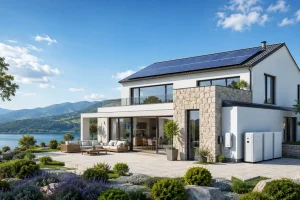
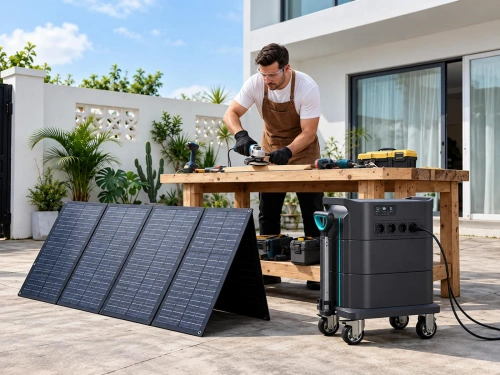
Residential solar energy storage systems store electricity generated by compatible photovoltaic systems and make it available when solar production decreases. This helps improve the utilization of available solar power for residential electricity needs.
For residential solar energy storage projects, PV input, charging capacity, battery specifications, and inverter compatibility should be evaluated together to support reliable system operation.
Home Backup Power
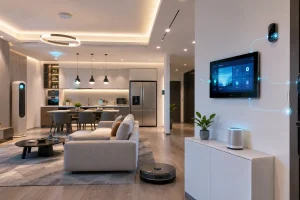
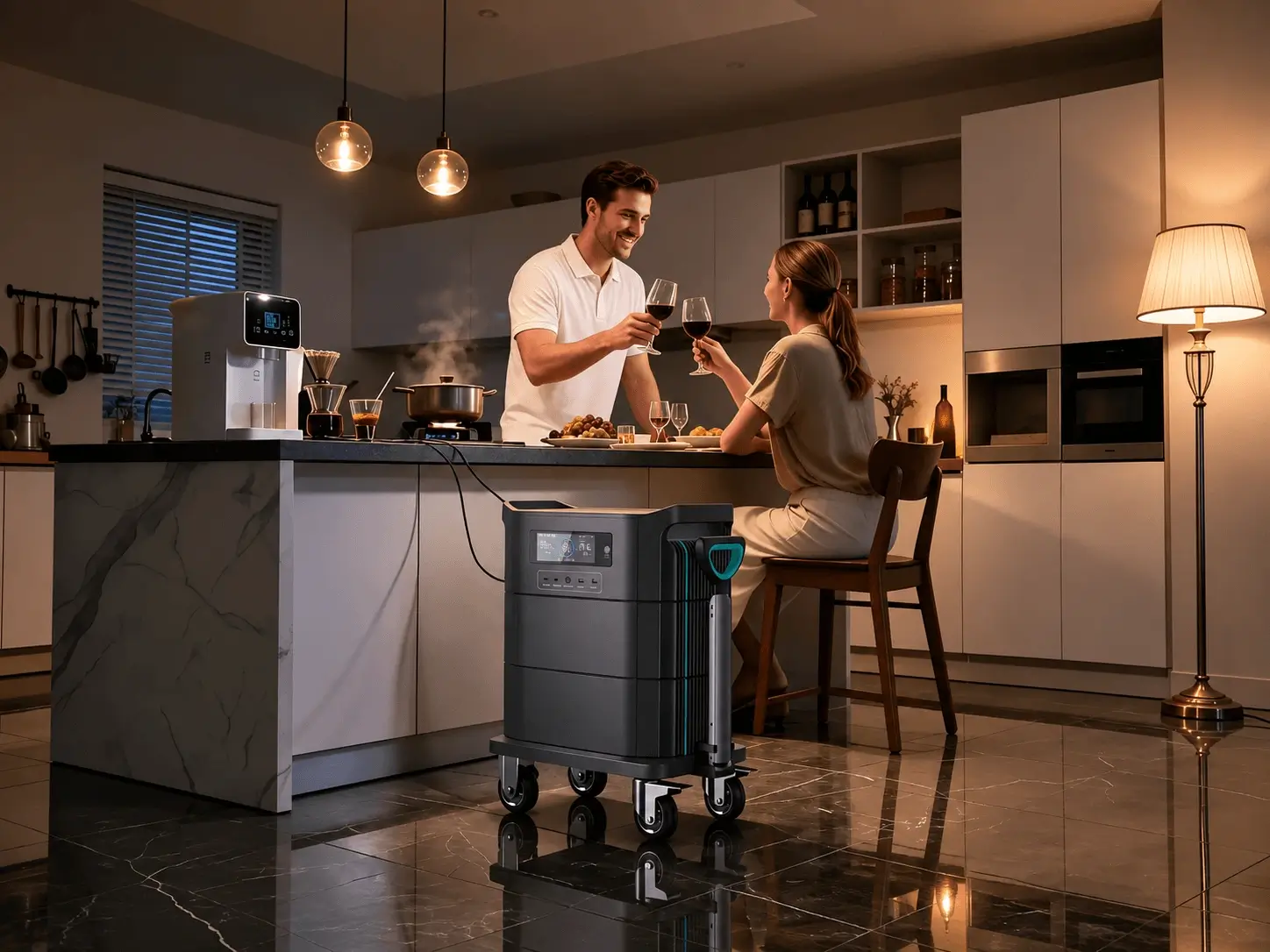
Stored energy can supply selected household loads during grid interruptions. Depending on the system configuration, Residential Energy Storage Systems can support lighting, refrigerators, communication devices, networking equipment, and other essential appliances.
Stored solar energy can provide an additional reserve of electricity when grid power is unavailable, depending on the selected system and backup configuration.
Multiple Power Requirements
Different households have different electricity consumption patterns. System selection can account for:
• Daily household energy consumption
• Continuous appliance loads
• Peak or starting power
• Required backup duration
• Solar generation capacity
• Future energy requirements
Solar storage planning should consider both available solar generation and the amount of energy required by household loads.
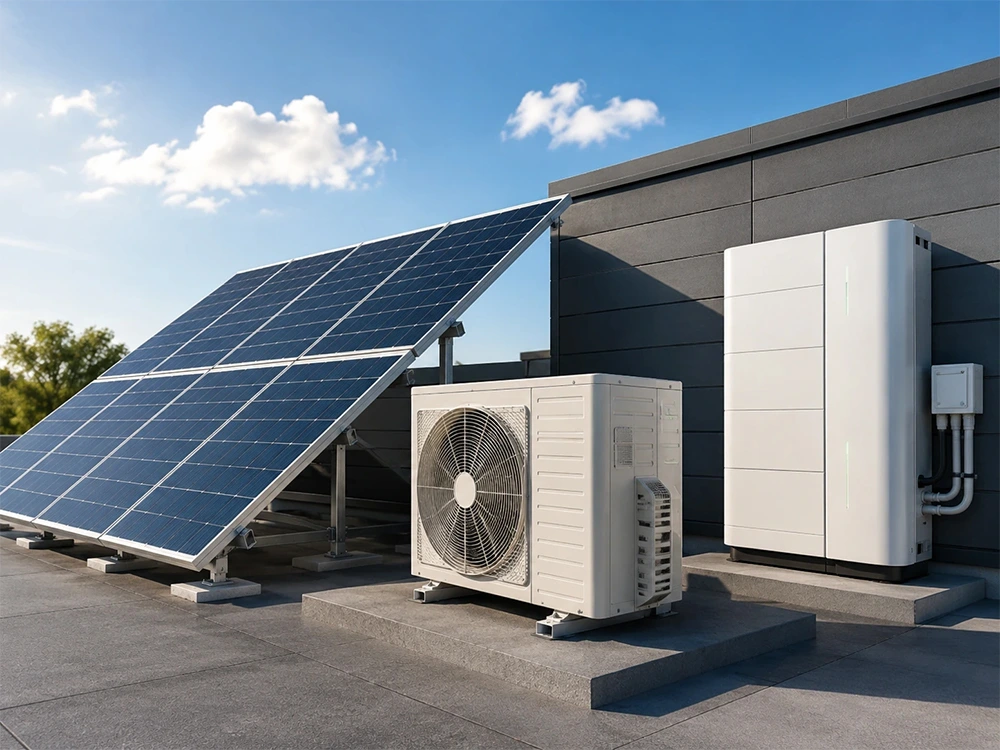
Practical Energy Management
These storage solutions help coordinate stored electricity with household demand. Depending on the system architecture, available energy can be stored and supplied according to solar generation, household consumption, and backup requirements.
For residential solar energy storage, effective energy management helps align available stored power with changing household electricity demand.
Compatible Residential Systems
KAM UNION’s energy storage solutions can be considered together with other products in the Off-Grid Residential Systems portfolio, including:
• Solar Panels
• Solar Inverters
• Solar Charge Controllers
• Home Energy Storage Batteries
• DC Appliances
• Portable Power Stations
This product combination provides flexibility when building residential solar and off-grid power configurations. Solar storage systems can be designed by combining suitable generation, conversion, and storage components.
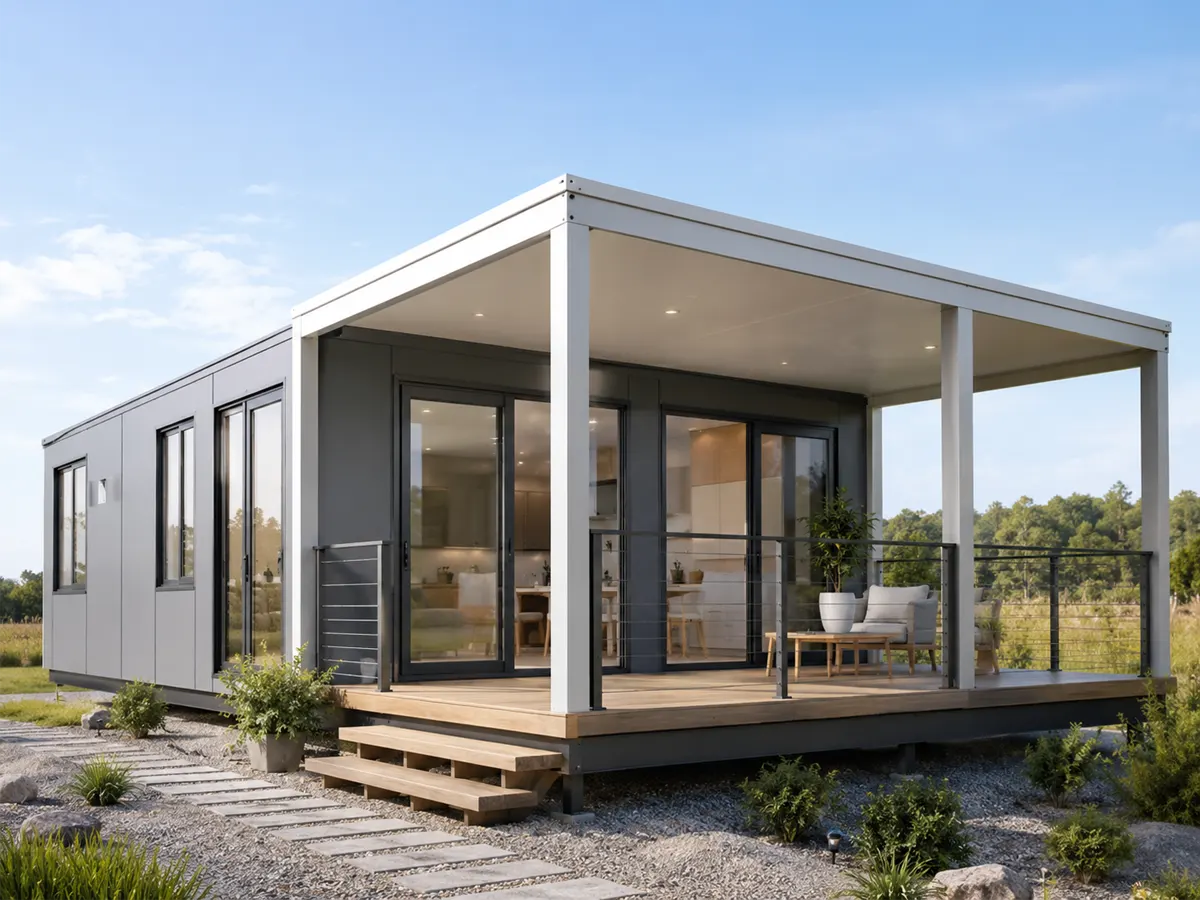
Residential Solar Applications
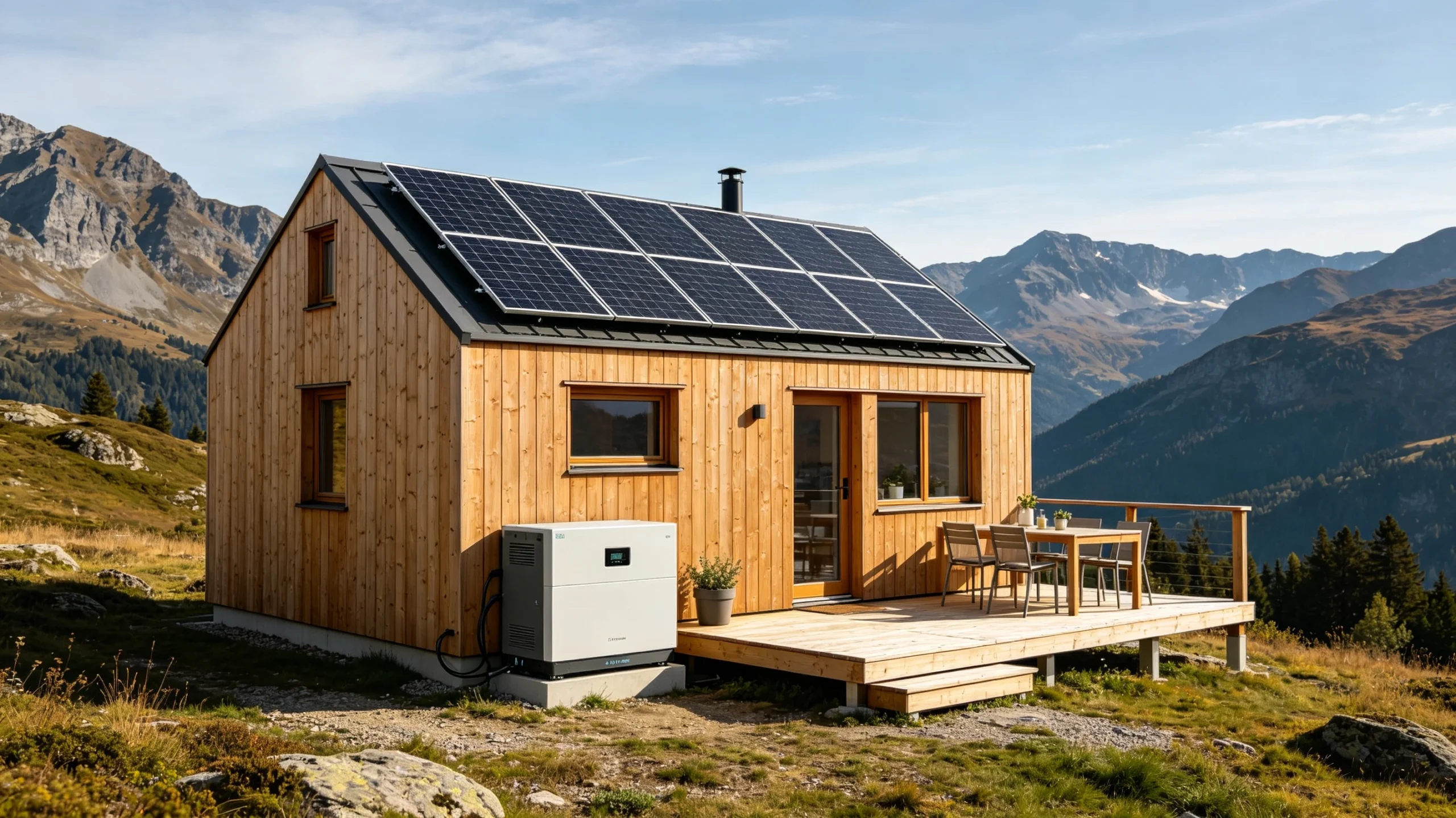
They can be used in houses running on solar power where generated electricity needs to be stored for further use. The system can help bridge the difference between daytime solar generation and household electricity consumption at other times.
This storage approach can support residential solar energy storage by storing surplus generation and making it available when household demand continues after solar production declines.
Key System Components
A residential energy storage configuration may involve several coordinated components depending on the application.
These components can be selected and matched according to the requirements of a residential solar energy storage project.
| Component | Main Function |
|---|---|
| Battery Storage | Stores electrical energy |
| Inverter | Converts stored DC energy into usable AC power |
| Solar Input | Provides energy from compatible PV systems |
| Charge Controller | Manages charging in applicable configurations |
| Energy Management | Coordinates energy use and system operation |
Key Selection Factors
Power and Battery Capacity
Select the product according to the power load and duration of operation needed. For smaller loads, KU-OG-03-003 is better, while for bigger loads, KU-OG-03-002 and KU-OG-03-001 have better output and battery capacity.
Number of AC Output Ports
The three models provide 4, 8, or 12 AC output ports, making port count an important consideration when multiple devices need to operate simultaneously.
Charging Requirements
All three models support up to 1000W solar and car charging input. Their maximum AC charging power increases with system size, supporting faster replenishment for higher-capacity models.
Portability and Installation
The weight of the KU-OG-03-003 model is 28.4kg, which makes it the lightest one. The other two models are more suited for higher loads rather than being portable.
How to Select a System
For Compact and Mobile Power
Choose KU-OG-03-003 when portability, compact dimensions, and moderate power output are the main priorities.
For Higher Power and Capacity
Choose KU-OG-03-002 when the application requires more output, battery capacity, and AC ports while maintaining a relatively compact system format.
For Maximum Output and Capacity
Choose KU-OG-03-001 for higher-power applications that require 6600W output, 6394Wh battery capacity, and 12 AC output ports.
Different Residential Applications
The product category can support a range of residential energy scenarios, including:
Solar Self-Consumption — Residential solar energy storage can store surplus solar energy for later household use.
Home Backup — Residential Energy Storage Systems can supply selected loads when grid electricity is interrupted.
Off-Grid Homes — Solar storage can support independent residential power systems with compatible solar equipment.
Emergency Power — Stored electricity can support essential equipment during outages.
Residential Solar Storage — Residential solar energy storage combines photovoltaic generation with energy storage for improved energy utilization.
| Model | Recommended Residential Applications |
|---|---|
| KU-OG-03-003 | Selected-load home backup, lower-capacity residential solar storage, and off-grid residential applications with lower power requirements |
| KU-OG-03-002 | Multi-appliance home backup, medium-capacity residential solar storage, and off-grid residential applications with moderate power requirements |
| KU-OG-03-001 | Higher-load home backup, higher-capacity residential solar storage, and simultaneous operation of multiple compatible household loads |
*Application suitability depends on the connected load, required backup duration, charging configuration, and selected 120 V or 230 V version.
Product Configuration
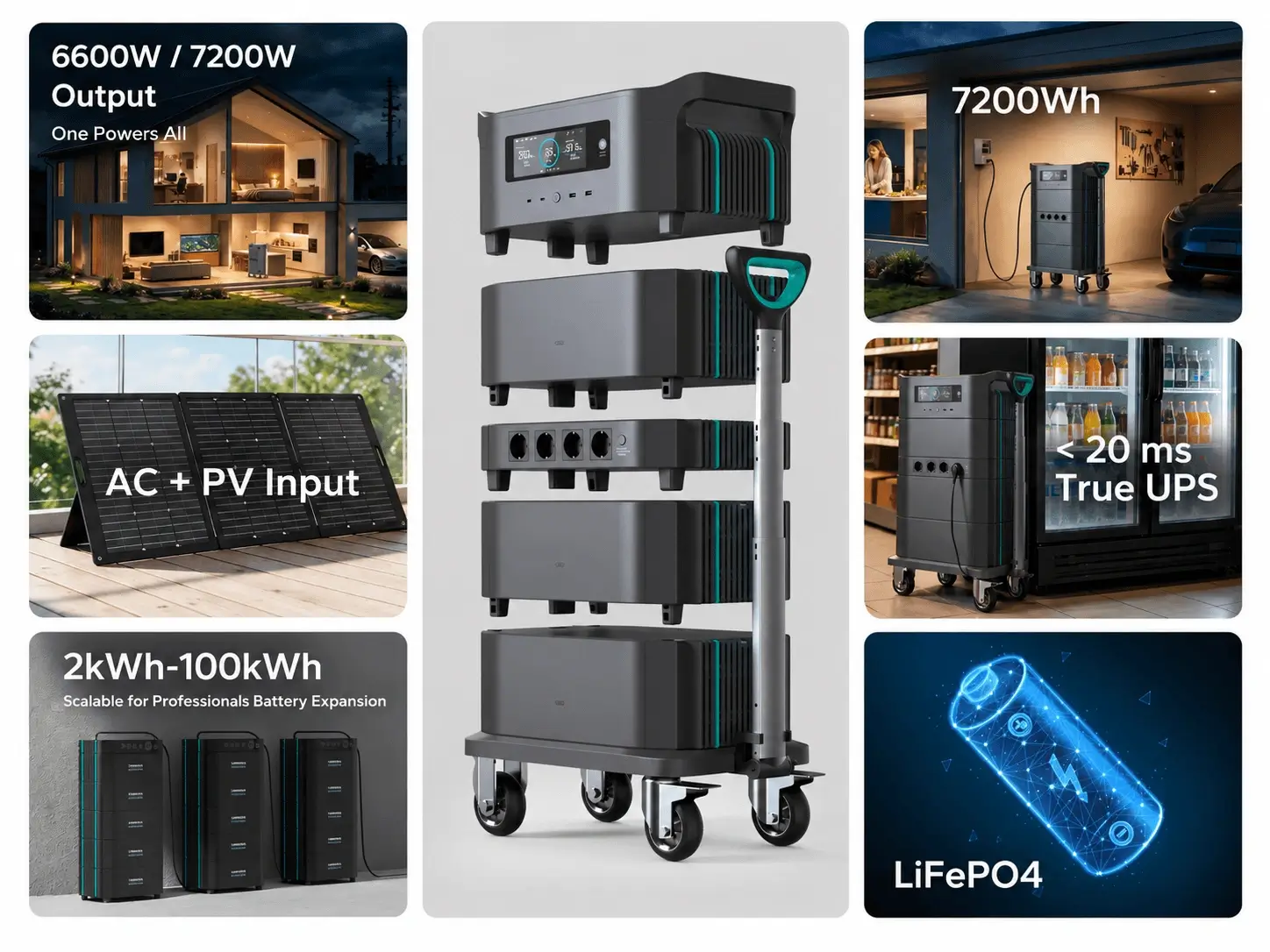
The appropriate system configuration depends on the required storage capacity, power output, charging method, application scenario, and installation environment. Evaluating these factors together helps ensure that the selected system matches the actual requirements of the project.
KAM UNION’s category includes integrated solutions such as the 6600W 6394Wh LiFePO4 Energy Storage System, alongside other products within its broader residential and off-grid energy portfolio.
Residential solar energy storage configurations can therefore be considered according to project-specific capacity, output, and charging requirements.
Designed for Project Supply
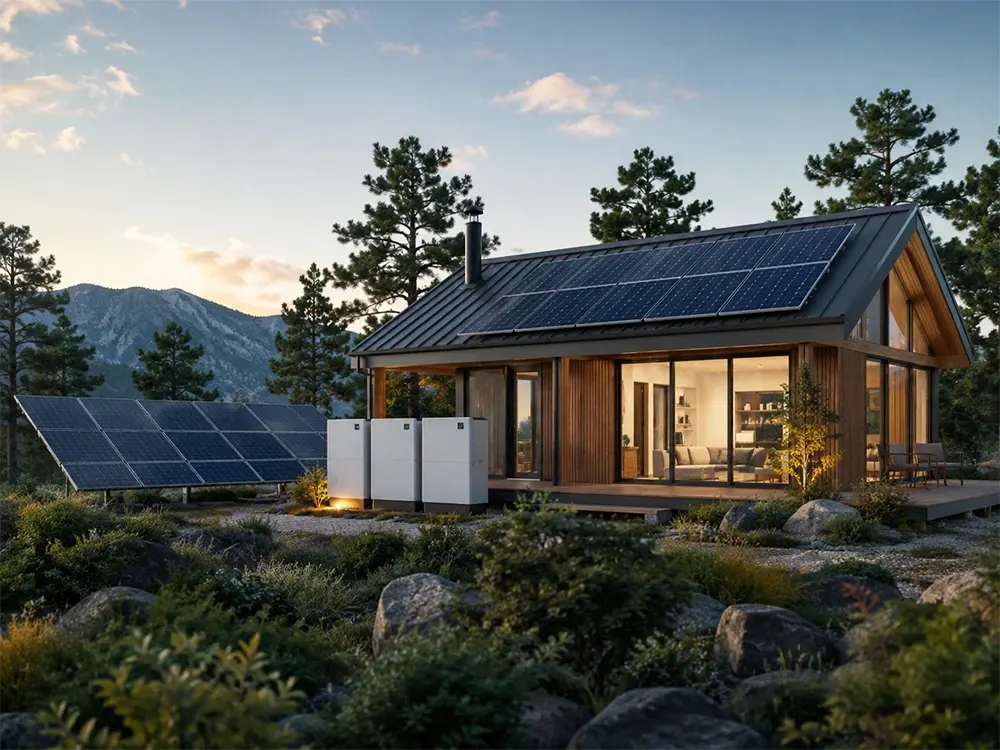
KAM UNION Residential Energy Storage Systems are suitable for distributors, installers, system integrators, and project procurement teams requiring flexible residential energy solutions.
The range can be evaluated according to project capacity, output requirements, solar configuration, operating mode, and target-market requirements. Residential solar energy storage products can also be considered for different project scales and installation conditions.
Residential Energy Storage Systems from KAM UNION
KAM UNION provides Residential Energy Storage Systems for home energy storage, solar, backup power, and off-grid projects. Related solar and off-grid products support flexible system configurations.
Residential solar energy storage solutions offer flexible capacity, solar integration, and backup power for different project needs.
For distribution, system integration, or project procurement, contact KAM UNION with your capacity, power, and application requirements to discuss a suitable residential solar energy storage solution.
FAQ
Residential energy storage systems can be used for home backup, solar energy storage, off-grid power supply, emergency power, and other residential energy applications.
Yes. Residential energy storage systems can be configured with solar panels, inverters, and related components to store excess solar energy and support backup power.
Yes. They can be used for off-grid residential projects where reliable energy storage and stable power supply are required. System configuration should be based on load demand and available solar capacity.
KAM UNION can support system configurations based on required capacity, power output, application scenarios, and other project specifications, making them suitable for different residential solar energy storage projects.
Customers can provide expected power load, required backup time, solar capacity, battery capacity, installation environment, and application requirements. These details help determine a suitable system configuration for procurement or project integration.
KAM UNION residential energy storage systems use LiFePO4 battery technology, which provides stable performance, enhanced safety, and long cycle life. It is suitable for residential solar energy storage, backup power, and off-grid applications.